Twenty years is several careers. What changed first — the dogs, or the job?
The job, without question. When I started, the expectations were narrower and nobody was writing any of it down. The dogs have changed too, but mostly because we have bred and selected for a different animal than we did then.
What has not changed is the arithmetic. You get out what you put into the daily work, and the daily work is mostly unglamorous.
What does the daily work actually consist of?
Maintenance. Physically, mentally, and in the relationship. People picture the callout. The callout is maybe a fraction of the job.
The rest is walking, feeding, checking condition, working obedience in a car park because that is where you have ten minutes, and noticing small changes before they become large ones.
How do you tell when a dog is not right?
It is never one thing. It is a dog that is a half-step slower to come out of the vehicle, or that takes an extra second to settle. You learn a dog’s baseline so completely that you notice when it moves.
The hardest part of this work is that when your read is wrong, the consequences fall on the dog.
The dog reads the street before I do. My job is to trust that and still do mine.
What happens at the end of a partnership?
Nobody prepares you for it properly. The dog retires, or you move, and a working relationship that structured your whole day is over.
What I would say to anyone coming into this is to think about the end at the beginning — what the dog’s life looks like afterwards, and who is responsible for it. That is part of the job, not a footnote to it.
What would you change about how the field works?
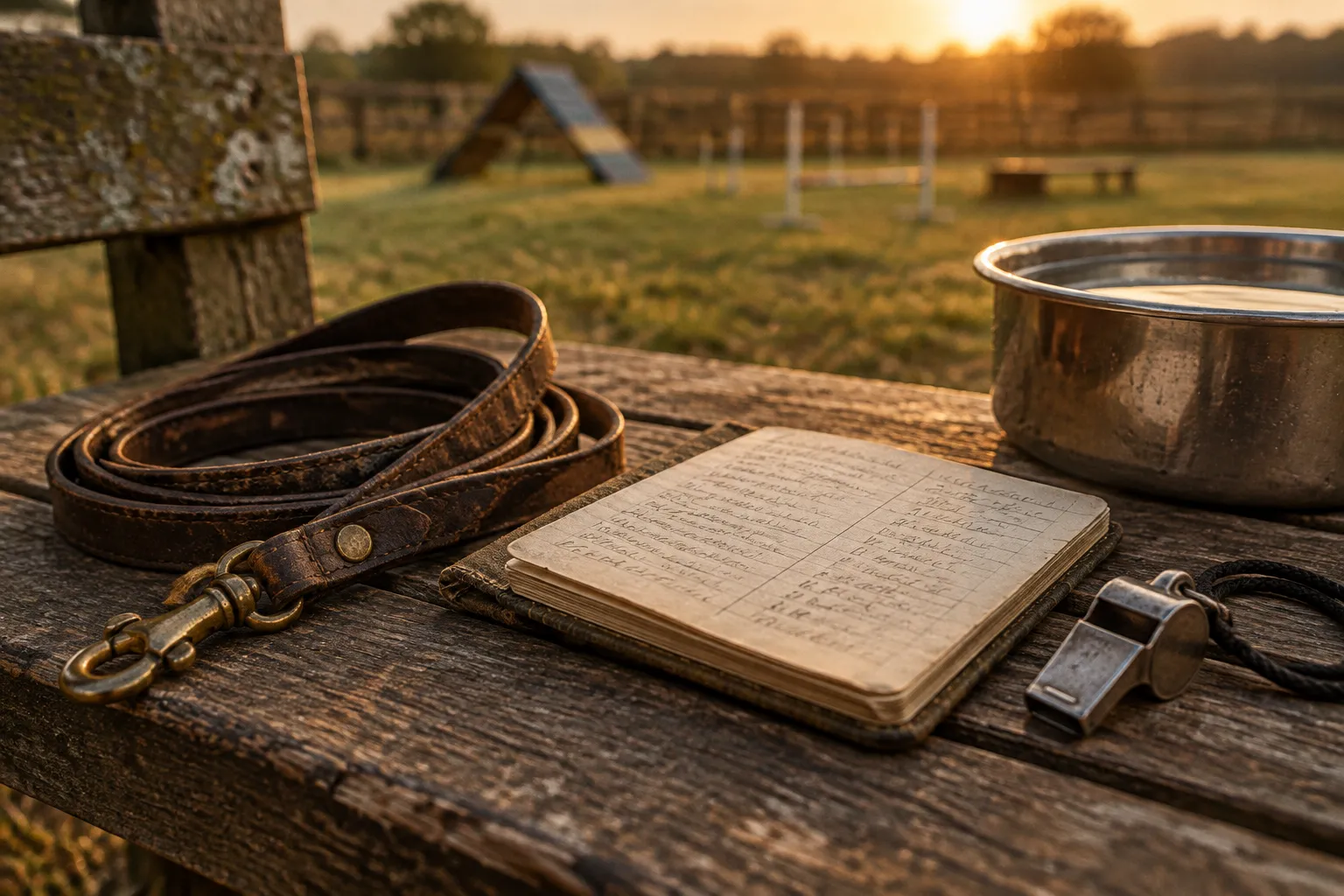
I would want better records. What a dog was trained to do, what it was exposed to, what it struggled with, and when. We lose that knowledge constantly because it lives in somebody’s memory.
When it is written down, the dog’s next handler starts further ahead, and the dog pays less for our forgetfulness.