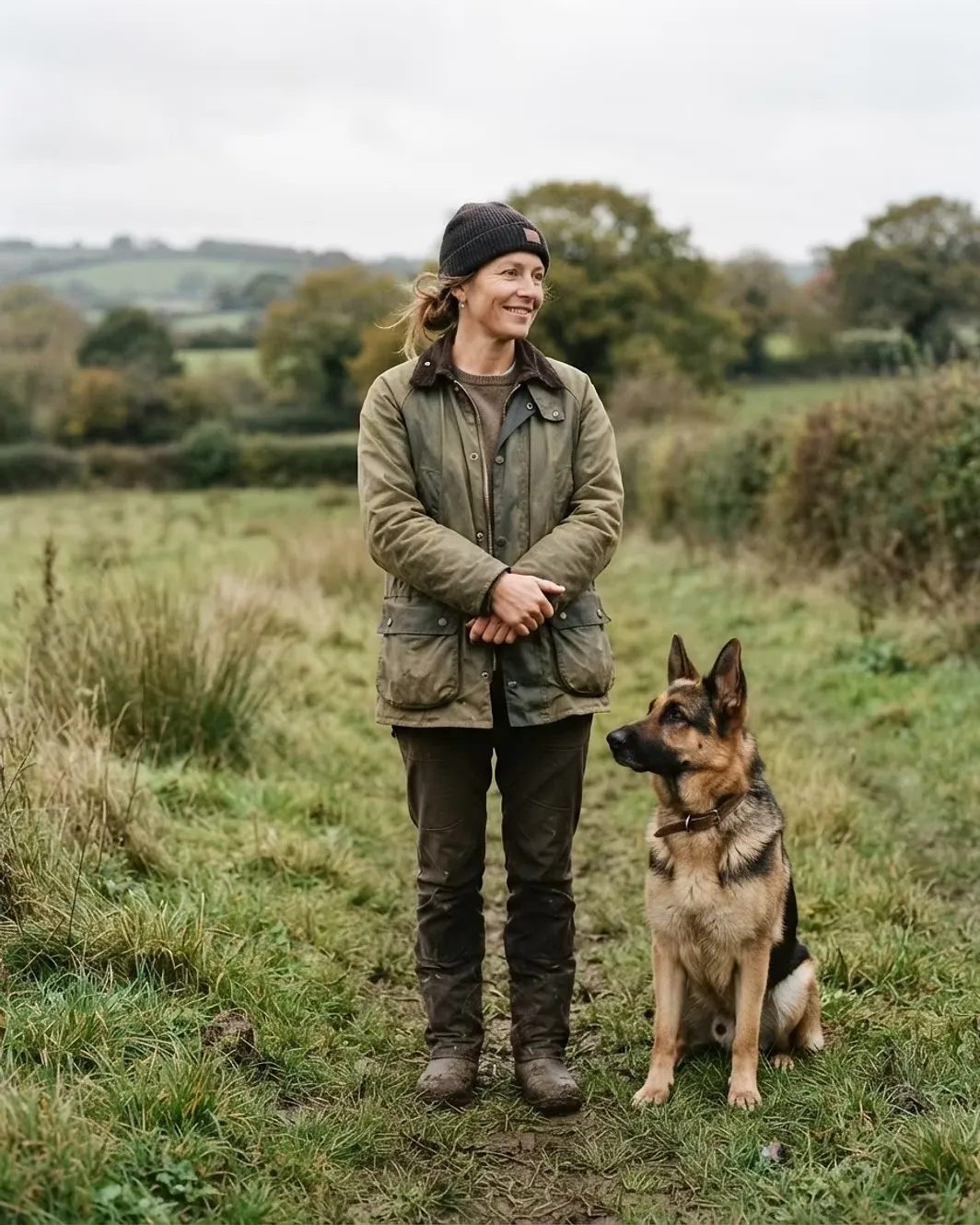
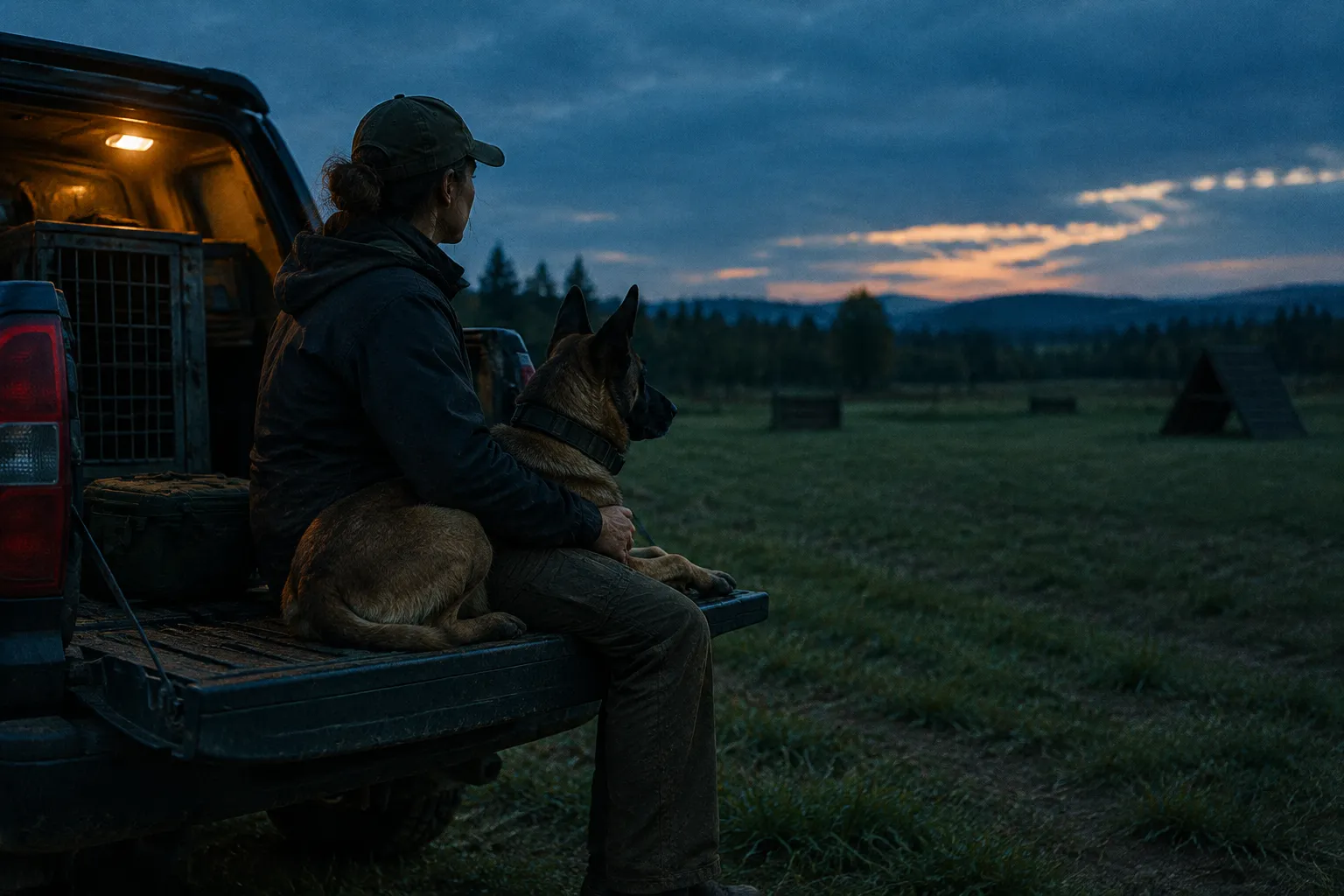
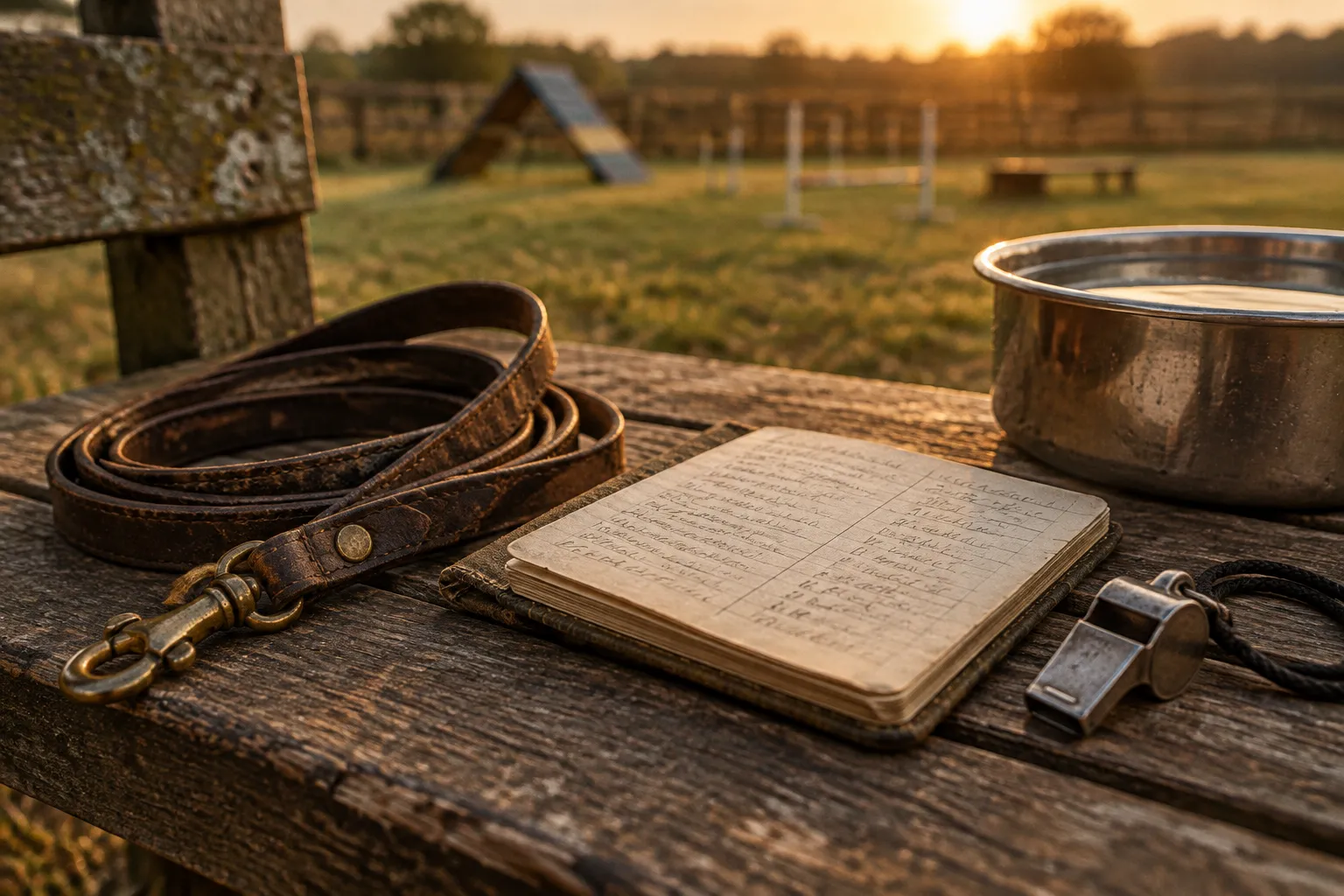
The gate opens at six. By the time the sun clears the treeline, six dogs and their handlers have already worked. This is what a training day actually looks like — the waiting, the repetition, the quiet.
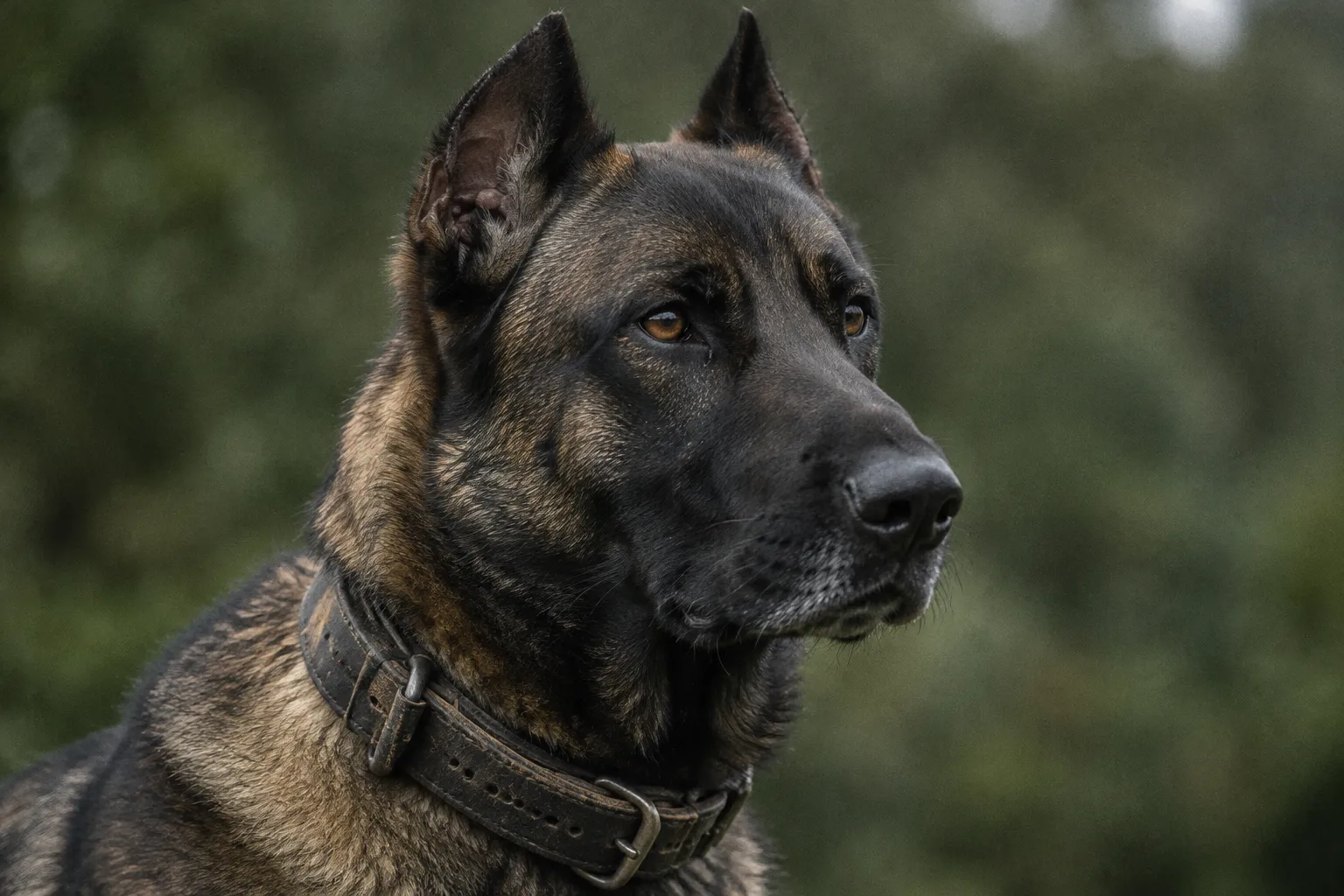
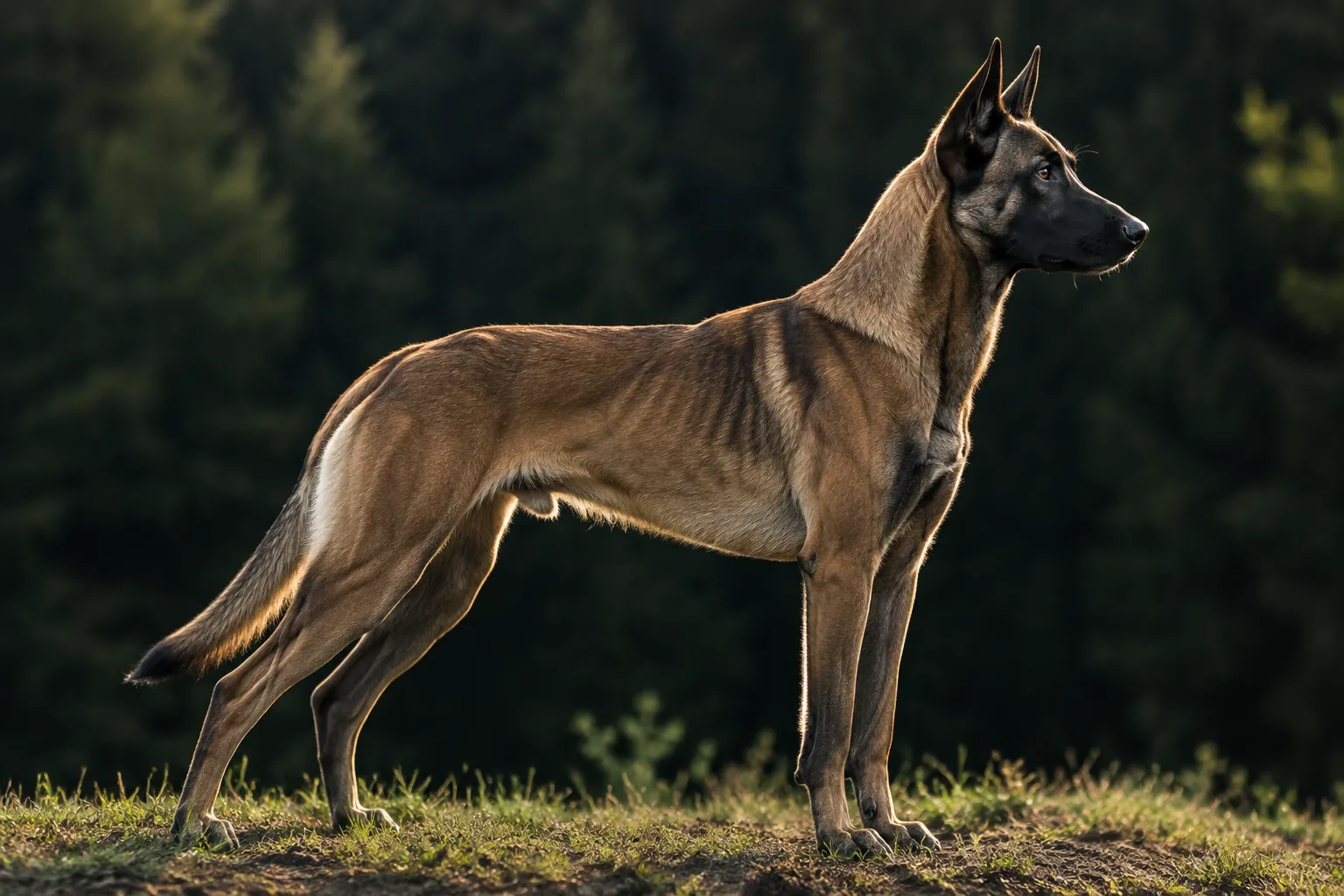
A handful of breeds do most of the heavy lifting in protection work — and each asks something different of the person holding the lead. A visual study of build, coat and temperament.
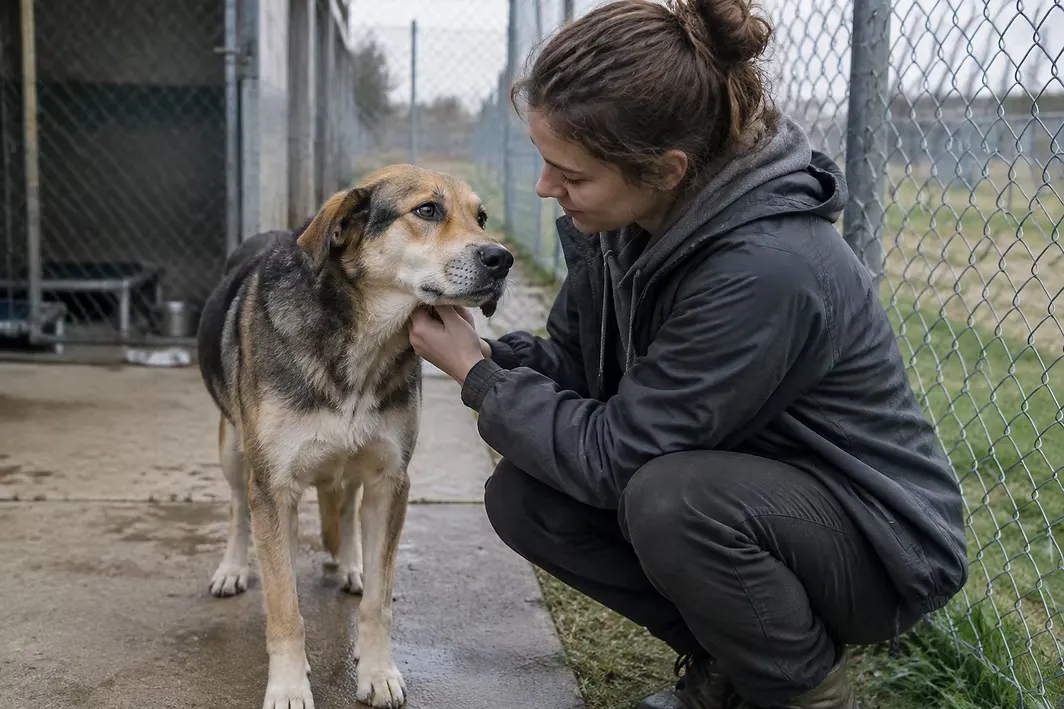
Not every working dog arrives with papers. Some come off a kennel block, out of a rescue intake, or back from a home that did not work out. What happens next depends almost entirely on the people who take them on.
Confidence is not built in a single session. It is built in the ordinary weeks between eight and sixteen, in a hundred small decisions about what a young dog is allowed to experience.
Work on how dogs signal stress is circulating among trainers, and the conversation has moved faster than the evidence. Here is what is being claimed, what is still being verified, and why handlers are paying attention.
A trainer of twenty years on why the field’s obsession with drive gets the order of operations backwards — and what she looks for in a dog before anything else.
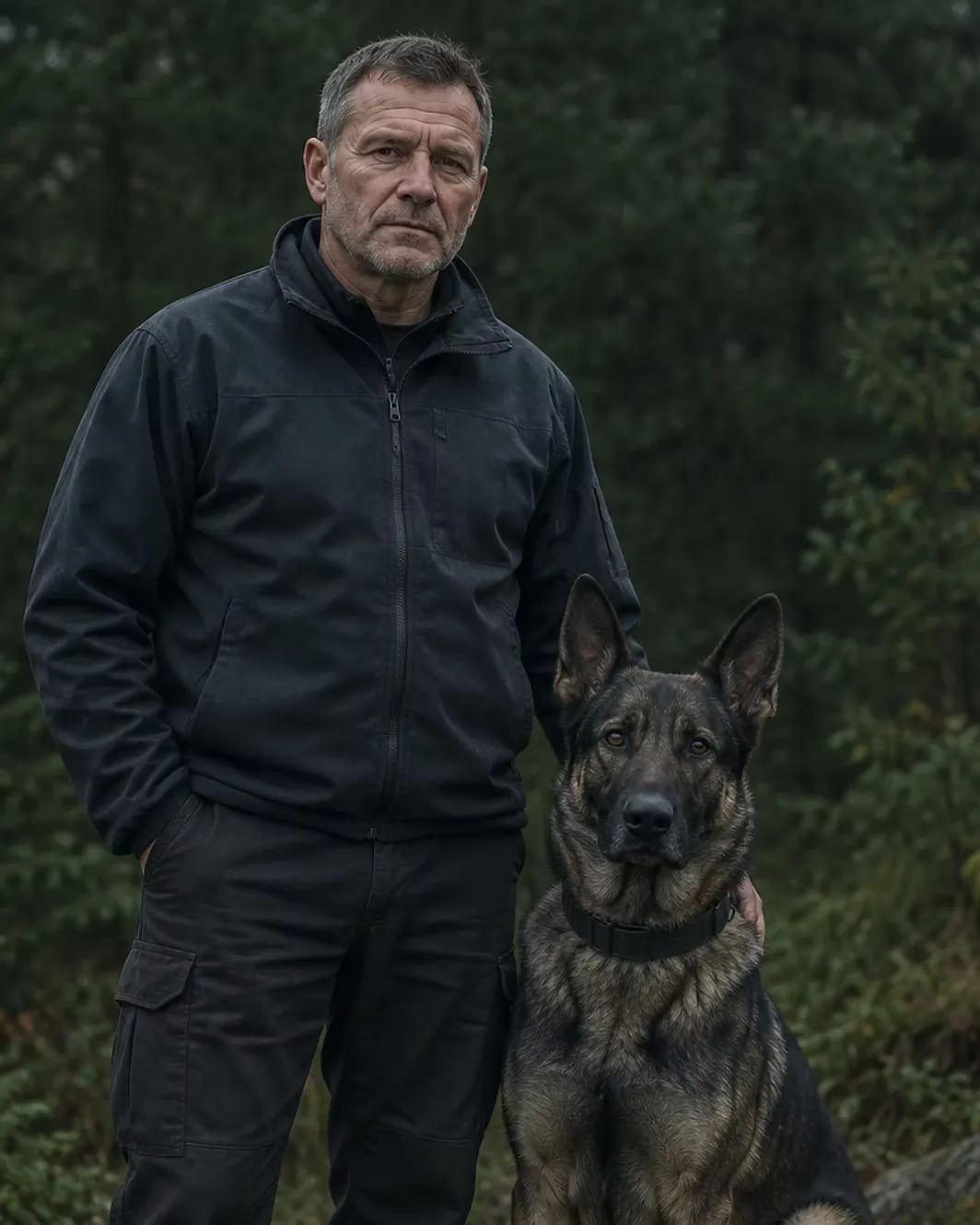
The work is not only the work. Between callouts there is maintenance — of the dog, of the kit, of the handler. We spent an evening with a unit at rest.