The problem is not secrecy. It is forgetfulness
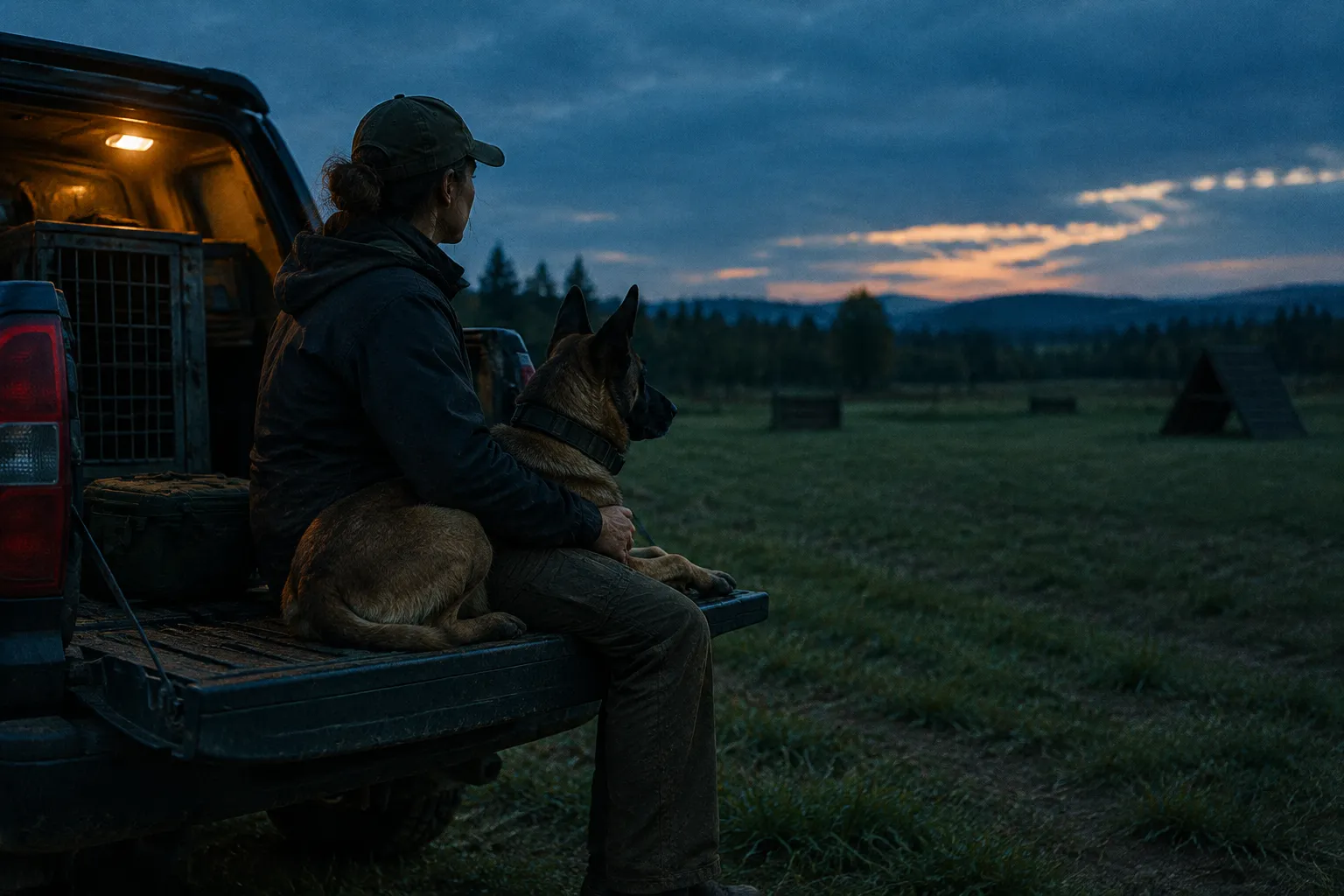
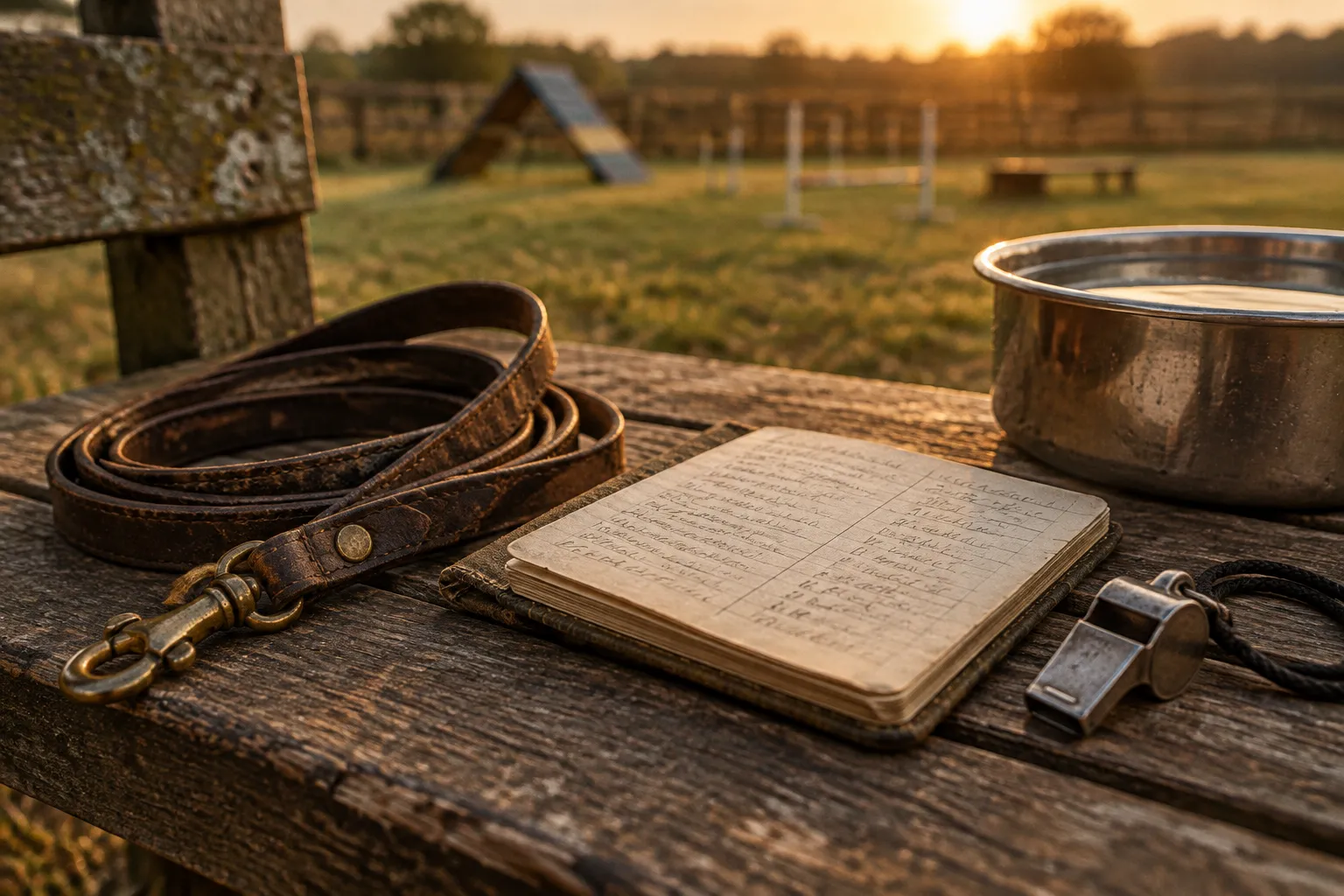
Nobody in this field is hiding what they do. They simply do not write it down. Training histories live in notebooks, in phone notes, and mostly in the heads of people who will eventually stop doing the work.
When a dog changes hands, an enormous amount of knowledge changes hands with it — or, more often, does not.
What a record would actually contain
Nothing exotic. What the dog was exposed to and when. What it found difficult. What equipment was used and how consistently. Vet notes, injuries, recoveries.
Handlers already know this information. The proposal is only that it be written somewhere that survives the week.
A dog’s working life should outlive the memory of the person who trained it.
Why this is a welfare argument
A dog with a documented history is cheaper to rehome, easier to place into appropriate work, and far less likely to be described as a problem by a stranger.
The alternative is what happens now: a dog is assessed on a Tuesday by someone who has never met it, and a decade of context is reduced to an hour’s impression.
The objection, and the answer
The standard objection is that records become a stick to beat people with — a reason to blame a handler rather than help a dog.
That is a design problem, not an argument against recording. Build the practice around the dog’s continuity, not around the handler’s reputation, and the incentive changes.