Why the breed question matters
Ask ten handlers which breed they would choose and you will get ten answers and a long argument. The breeds that dominate protection work are not interchangeable. They differ in how they take pressure, how quickly they recover from it, and how much guidance they need along the way.
What follows is not a ranking. It is a series of portraits, each taken on a working field rather than a studio floor, of the animals doing the job today.
Build and movement
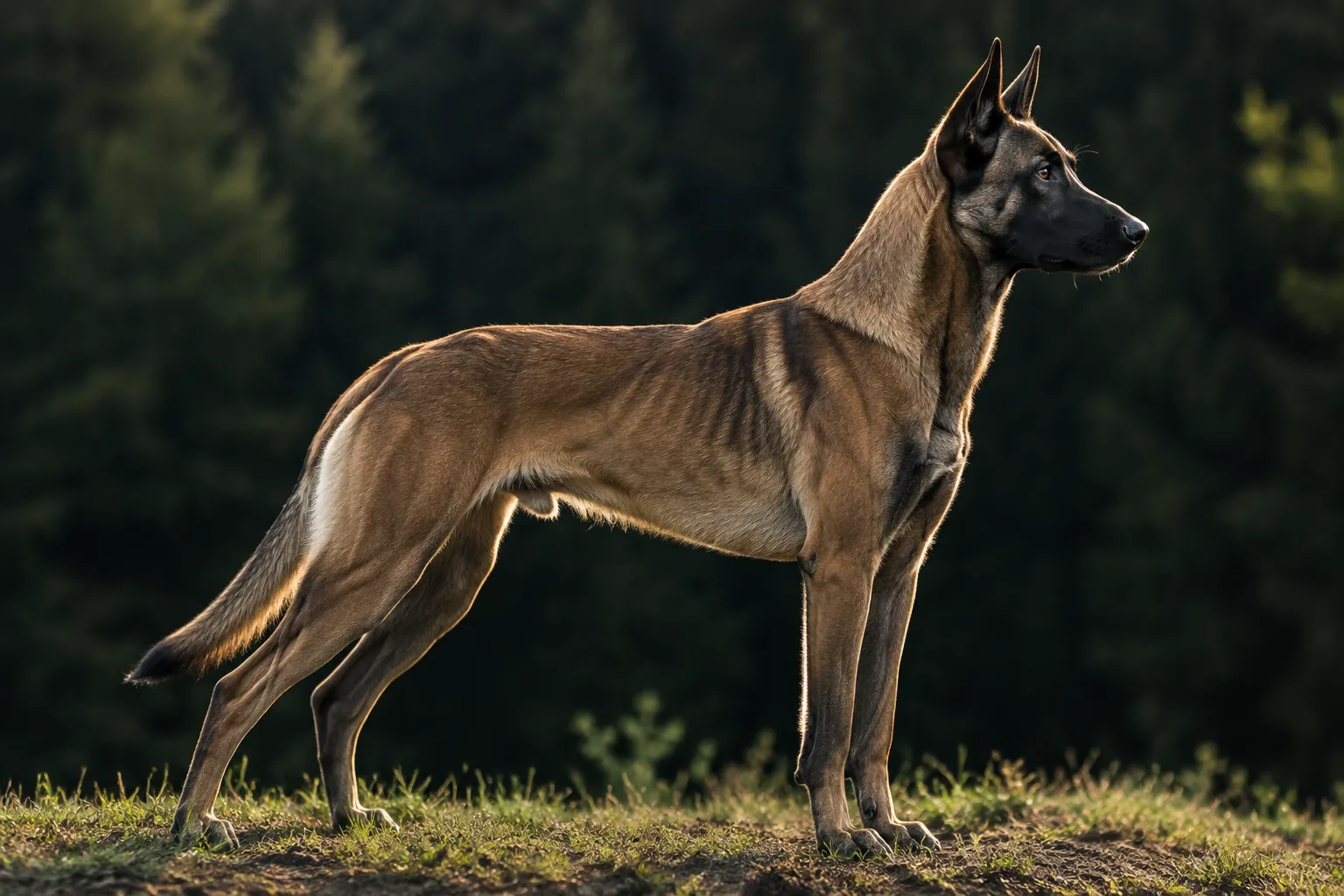
The first thing a photograph shows you is structure. Working lines are built for a particular kind of movement — the turn, the drive forward, the ability to absorb impact and keep going. Watch any of these dogs run and you can see the design in it.
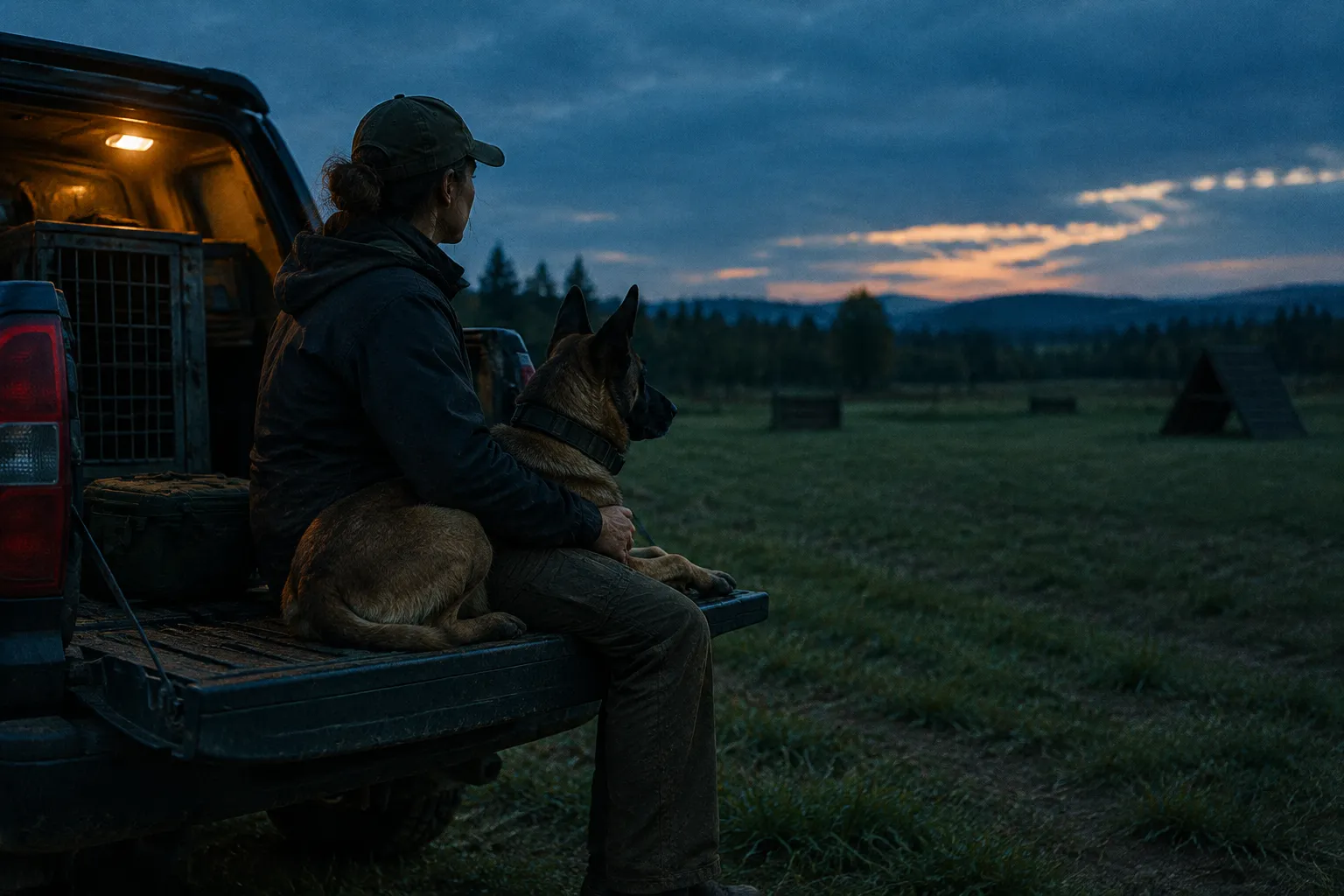
The photographs in this essay were made over several sessions, in available light, with no posing. Dogs that are asked to stand still for a camera look like dogs asked to stand still for a camera. These were photographed doing what they do.
A breed is a set of tendencies, not a promise. What the dog becomes is a negotiation with whoever raises it.
Coat and climate
Coat tells you where a breed came from and what it was expected to work in. Short, dense, weather-resistant coats belong to dogs meant to move all day. Heavier coats belong to dogs meant to hold ground.
In practice, climate matters as much as breed. A dog that works beautifully in one country can struggle in another, and handlers adjust their expectations accordingly.
Temperament is the real subject
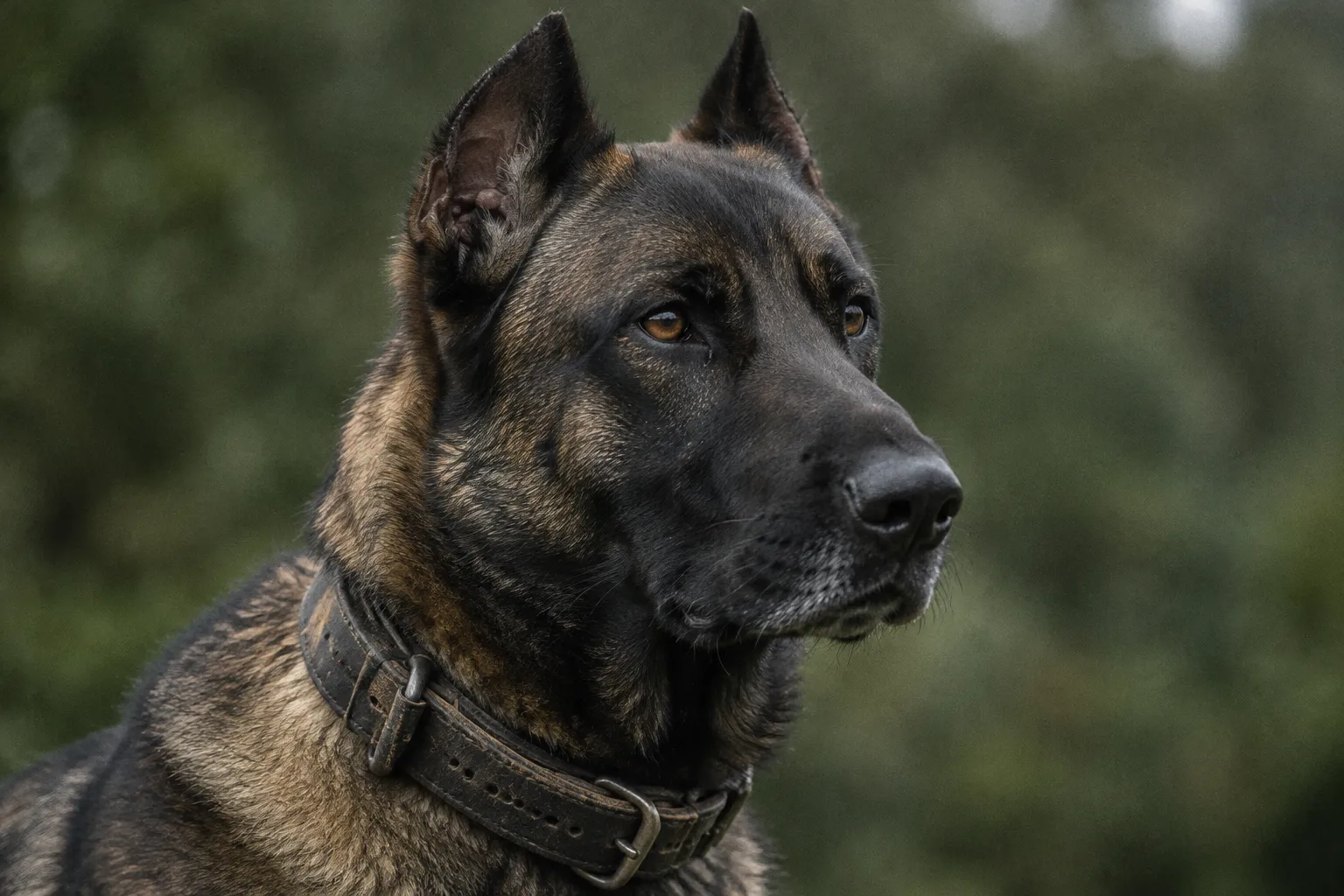
Every image here is really a photograph of temperament. The dog that stares down the lens without blinking and the dog that looks away are two different arguments about what protection work should be.
Breeders, trainers and handlers disagree constantly about which tendencies to select for. That argument is healthier than it sounds. A working breed that stops being argued about has usually stopped being a working breed.